Start here if you are tuning FPS sensitivity
PSA Method is useful because it turns a vague feeling—“this is too fast” or “this is too slow”—into a repeatable comparison process. Instead of copying a professional player’s setup or changing sensitivity randomly after every missed shot, you begin with your current value, test a lower and a higher candidate, and choose the one that feels more controllable in the same practice environment.
These guides are written for players who want more context around the calculator: how to run the seven rounds, what to keep constant while testing, how to interpret CS2 pro data, and why eDPI, resolution, crosshair, and video settings should support your aiming style rather than replace real in-game validation.
Recommended reading path
- If this is your first visit, read the calculator tutorial first. It explains the Lower/Base/Higher workflow, shows a full seven-round example, and covers what to do with the final number.
- If you already know the PSA workflow, use the eDPI analysis to understand how professional CS2 sensitivity ranges can be used as a sanity check without blindly copying a player with a different desk space or grip.
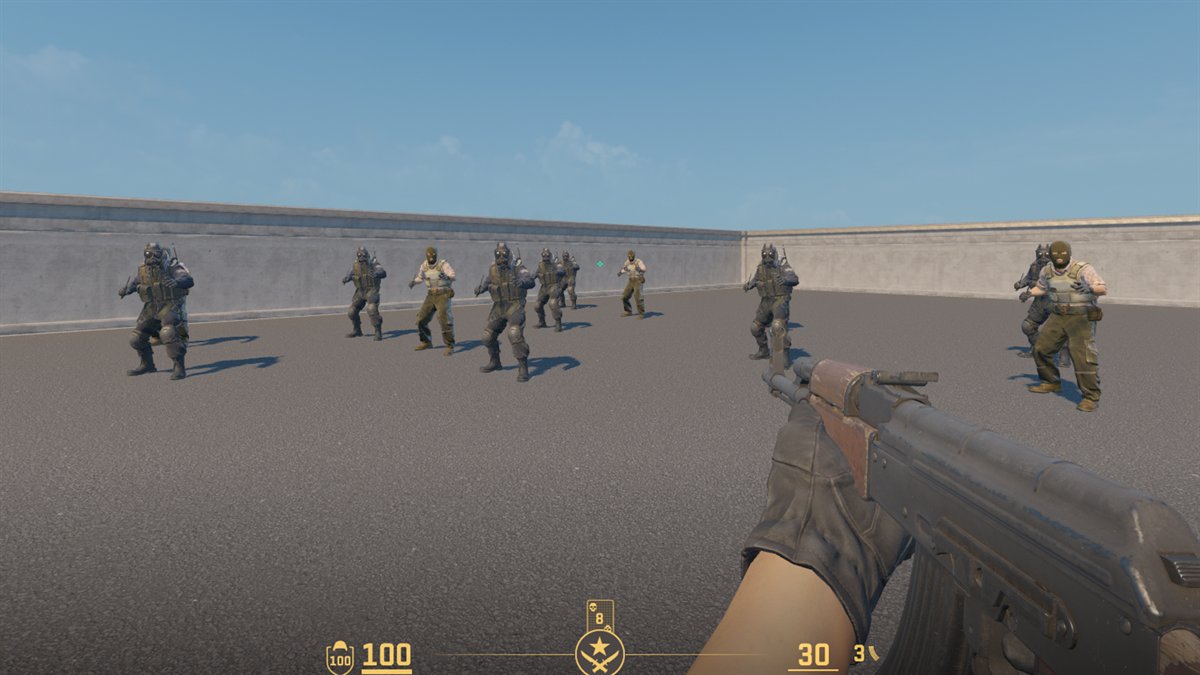
- After your sensitivity feels stable, review the resolution, crosshair, and video settings articles. These settings do not replace sensitivity testing, but they affect target visibility, perceived speed, and how easy it is to keep your aim consistent across sessions.
How we treat pro settings data
The CS2 articles are not meant to declare one universal “best” setting. A 1280x960 stretched resolution, a compact static crosshair, or an eDPI near a common professional range can be useful information, but the practical question is whether the setting helps you aim, track, clear angles, and correct mistakes in your own matches. Each analysis focuses on patterns, trade-offs, and ways to apply the data responsibly.
What to keep constant during a PSA test
For cleaner results, keep DPI, polling rate, Windows pointer speed, mousepad space, resolution, and practice map consistent during a test. Try both candidate sensitivities in the same drill before clicking a choice in the calculator. If you switch games, change DPI, or move to a new mousepad, rerun the process instead of assuming the old value still represents your current setup.